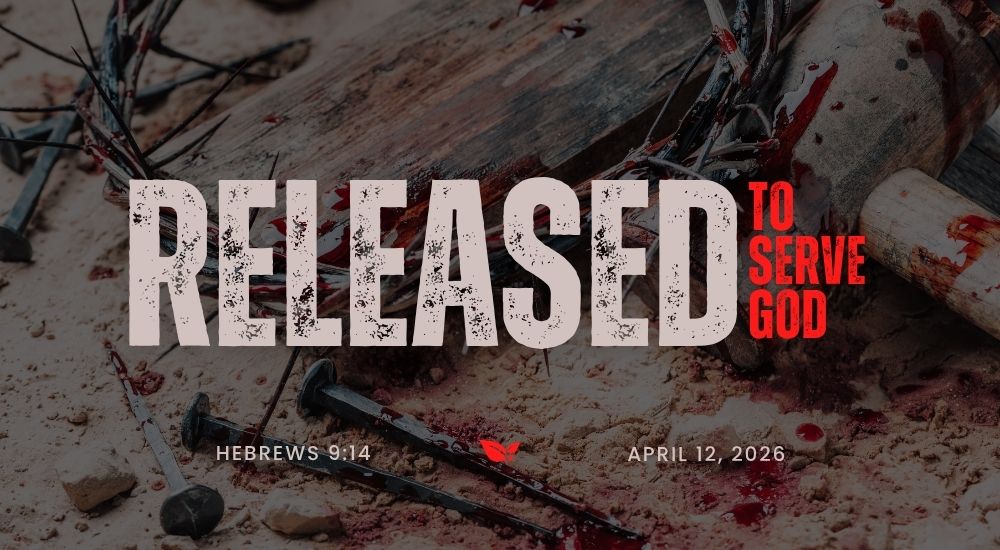
The blood of Jesus is more than history; it is everlasting power. It redeems, heals, sanctifies and grants access to God’s presence. It secures forgiveness, sanctifies our works, assures victory and the inheritance for every believer.
Hebrews 9:14: “…how much more will the blood of Christ, who through the eternal Spirit offered himself without blemish to God, purify our conscience from dead works to serve the living God.”
“how much more will the blood of Christ”
This phrase emphasizes the superiority of Christ’s sacrifice over the Old Testament sacrifices. In the context of Hebrews, the author contrasts the blood of animals, which was used in the sacrificial system of the Mosaic Law, with the blood of Christ. The blood of Christ is seen as infinitely more effective in purifying and redeeming humanity. This echoes the theme of Hebrews that Christ is the fulfillment and perfection of the law (Hebrews 7:27; 10:4).
The blood of Jesus is more than history—it is everlasting power. It redeems, heals, sanctifies, and grants access to God’s presence. It secures forgiveness, victory, and the inheritance for every believer. The blood of Christ is the believer’s covering, testimony, and assurance of salvation. Referring to the ‘30 Impacts of Christ’s Blood’ Issues & Answers under the “Life” category on the Grace website, Jesus’ blood:
“who through the eternal Spirit”
This phrase highlights the role of the Holy Spirit in the sacrificial offering of Christ. The “eternal Spirit” suggests the divine nature and eternal existence of the Holy Spirit, who empowered and sustained Christ in His earthly ministry and sacrificial death. This aligns with the Trinitarian understanding of God, where the Father, Son, and Holy Spirit work in unity (Romans 8:11).
“offered Himself unblemished to God”
Christ’s offering of Himself is central to the Christian understanding of atonement. Unlike the animal sacrifices, which had to be without physical defect, Christ was morally and spiritually unblemished, fulfilling the requirement for a perfect sacrifice (1 Peter 1:19). This reflects the Old Testament typology of the Passover lamb (Exodus 12:5) and underscores Christ’s voluntary and willing sacrifice (John 10:18).
“purify our consciences from works of death”
The purification of conscience refers to the internal cleansing from sin and guilt, which the Old Testament sacrifices could not achieve (Hebrews 10:1-2). “Works of death” refers to sinful deeds and the dead works of the law that cannot bring life or salvation. This purification is a transformative process, enabling believers to live in righteousness (Titus 3:5).
“so that we may serve the living God!”
The ultimate purpose of Christ’s sacrifice is to enable believers to serve God, who is described as “living,” contrasting with dead idols (1 Thessalonians 1:9). This service is not merely ritualistic but involves a life dedicated to God’s will and purposes. It reflects the new covenant relationship where believers are empowered to live out their faith actively and obediently (Romans 12:1).
Conclusion: If you know Christ as Savior, you are released to serve God…are you?